
flavor compounds Learn more about flavor compounds
-
The Origin of Coffee Bean Aroma: Understanding the Compounds Behind Coffee's Fragrance
Professional coffee knowledge exchange and more coffee bean information. Please follow Coffee Workshop (WeChat public account: cafe_style). FrontStreet Coffee - Introduction to Coffee Bean Flavor Compounds. Non-volatile substances in coffee include: alkaloids (caffeine and trigonelline), chlorogenic acids, carboxylic acids, carbohydrates and polysaccharides, lipids, proteins, melanoidins, and minerals. Caffeine: It is water-soluble and will affect
2020-02-17 coffee beans aroma fragrance compounds substances coffee chemistry volatile compounds flavor molecules -
Flavor Profile of Yunnan Coffee Beans_Research Report on Yunnan Coffee Bean Flavors_How is Yunnan Arabica Coffee
Professional coffee knowledge exchange For more coffee bean information please follow Coffee Workshop (WeChat public account: cafe_style) Thanks to Professor Qiao from Shenzhen Polytechnic for recommending an article from the Chinese Journal of Tropical Crops regarding a research report on Yunnan coffee bean flavors. After reading this article, we found it very interesting and are sharing the core ideas with everyone. ●This report focuses on four regions in Yunnan
2018-09-12 Yunnan coffee beans flavor profile research report Arabica coffee how is -
The Impact of Temperature on Coffee: How to Experience Coffee Flavors at High Temperatures and When Cooled
Have you ever experienced getting a cup of hot coffee, only to find that its flavor and aroma change as it cools? When this happens, you might start tasting delicate flavors and aromas that you couldn't detect before. You might discover that your coffee now has distinct sweetness, fruity notes, or floral fragrances. This change in flavor is attributed to
2025-07-21 temperature coffee impact how to experience flavor aroma high temperature mild cooling -
How to Brew Sweet Coffee? Reasons and Solutions for Pour-Over Coffee Lacking Sweetness
Why are we so determined to brew sweet coffee? Perhaps it's because sweetness triggers dopamine release, making us feel joyful! If you want to brew sweet coffee, you must first understand coffee's sweetness. The sweet sensation in coffee doesn't exist independently—it emerges through the harmony between acidity and bitterness. For instance, in light roast coffees...
2023-02-16 coffee brewing pour-over coffee sweet coffee coffee extraction flavor balance -
What Products are Generated by the Caramelization Reaction During Roasting? What Happens When Caramelization is Excessive or Insufficient?

Professional coffee knowledge exchange. For more coffee bean information, please follow Coffee Workshop (WeChat official account: cafe_style). FrontStreet Coffee briefly explains the caramelization reaction during roasting. The sugars in coffee beans undergo caramelization reaction at approximately 170-200°C, which coincides with the melting point of sucrose (185°C) and the temperature range during the first crack phase of coffee bean roasting. The products of the caramelization reaction include various compounds that contribute to the aroma, flavor, and color development in coffee beans. When caramelization is insufficient, the coffee may lack sweetness and complexity, while excessive caramelization can lead to bitter, burnt flavors that mask the coffee's inherent characteristics.
2019-12-17 roasting caramelization reaction products excessive insufficient professional -
Is the Coffee Cupping Flavor Wheel Just a Reference? The Science and Engineering Behind the New Version of the Coffee Flavor Wheel
Professional coffee knowledge exchange For more coffee bean information Please follow Coffee Workshop (WeChat official account cafe_style) FrontStreet Coffee - Introduction to the Coffee Flavor Wheel The Coffee Flavor Wheel was created in 1995 by Mr. TED LINGLE, former president of the Specialty Coffee Association of America, and others. The birth of the Coffee Flavor Wheel was to use a common language that everyone could understand in a way that all people could comprehend
2020-02-06 coffee cupping flavor just a reference new version coffee wheel behind science -
Why Doesn't Coffee Taste as Good as It Smells? The Nature of Coffee Aroma and Fragrance Compounds

When we walk into a coffee shop, we're easily captivated by the rich aroma of coffee permeating the air. Especially when coffee beans are being ground, the intoxicating fragrance fills the space, making our hearts race and compelling us to eagerly order a cup to experience coffee's magnificent aroma. However!!! The moment the coffee touches our lips???????? What is this?
2023-07-25 coffee aroma fragrance compounds taste versus smell coffee chemistry -
How to Distinguish Between Over-Extraction and Dark Roast Bitterness in Coffee? How to Control Pour-Over Coffee Parameters?

Yesterday, FrontStreet Coffee received an interesting question from a customer friend. They asked FrontStreet Coffee why their coffee was still bitter despite performing a flow restriction. This is another case of someone being misled by flow restriction. The truth is quite simple: the final stage of extraction is not the main source of bitterness, and bitterness can also...
2024-06-22 coffee bitterness over-extraction dark roast pour-over coffee brewing parameters -
How Are Decaf Coffee Beans Made? Does Decaf Coffee Still Contain Caffeine? What Does Decaf Coffee Taste Like?
Professional coffee knowledge exchange For more coffee bean information please follow Coffee Workshop (WeChat public account cafe_style ) Decaf coffee beans As the name suggests are coffee with only trace amounts of caffeine. Generally coffee beans contain 1.1% to 1.7% caffeine for Arabica beans while Robusta beans contain 2% to 4.5% caffeine. Decaf coffee is regulated so that the brewed coffee contains
2018-09-19 decaf coffee beans how coffee advantages disadvantages introduction which tasty professional -
Coffee Basics: Pour-Over Brewing Time & Typical Extraction Duration
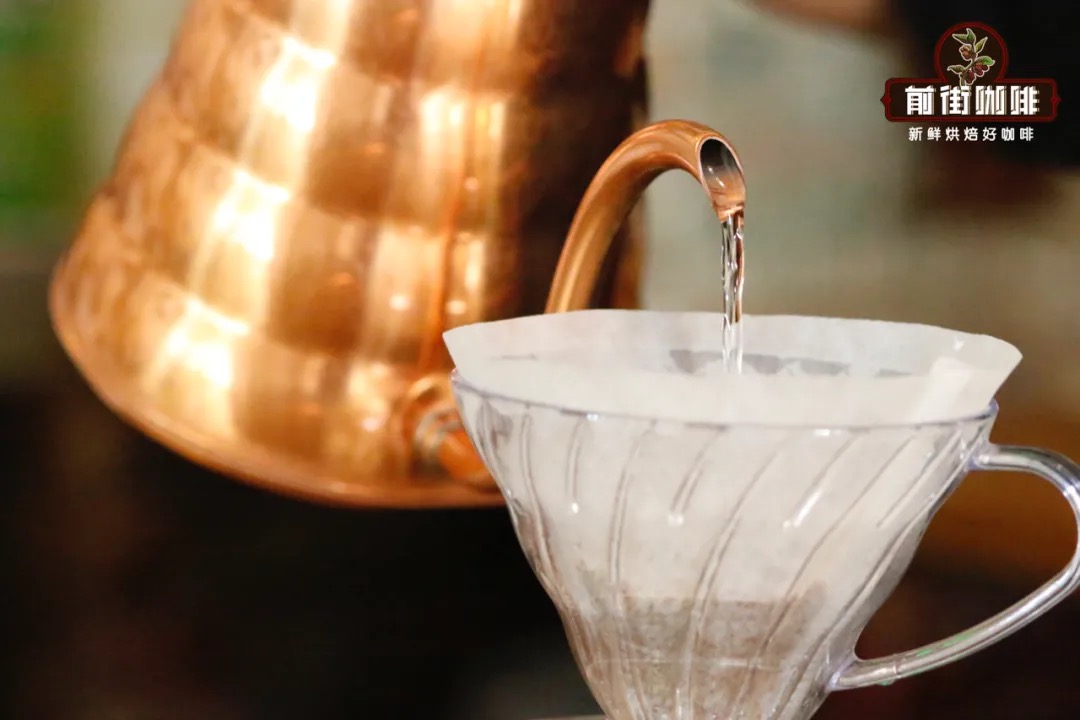
FrontStreet Coffee has noticed that many beginners when first starting with pour-over coffee pay great attention to brew amount, coffee-to-water ratio, water temperature, technique, and grind size, but take a casual approach to extraction time—this won't do! Extraction time is extremely important! Why is extraction time so crucial? Only 30% of a coffee bean consists of soluble flavor compounds, while the remaining 70% is woody fiber,
2021-09-28 coffee basics knowledge pour-over brewing time typical extraction duration -
How Long Do Coffee Beans Last After Grinding? Why Is It Better Not to Pre-Grind Coffee Beans? What's the Difference Compared to Fresh Coffee?
For many home coffee brewers, a grinder is not an essential item, so they often choose the grinding service offered by coffee merchants. However, after coffee beans are ground into powder, the rate at which flavor compounds dissipate accelerates significantly, which reduces their optimal tasting period to some extent. So, the question arises: coffee beans
2024-05-01 coffee beans grinding freshness coffee flavor home brewing -
Introduction to Arabica Coffee Bean Origin Characteristics and the Substances Behind Coffee's Aroma
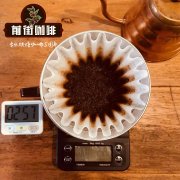
Professional coffee knowledge exchange. For more coffee bean information, please follow Coffee Workshop (WeChat official account: cafe_style). FrontStreet Coffee - Arabica varieties and aromatic components overview. I. Types of Coffee: Coffee beans can be broadly divided into three main categories: (1) Arabica coffee trees, (2) Robusta coffee trees, and (3) Liberica coffee trees.
2020-02-01 Arabica coffee beans origin characteristics introduction substances aroma reasons -
What Do Under-Extraction and Over-Extraction Taste Like in Pour-Over and Espresso Coffee? What is Over-Extraction?
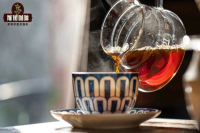
While everyone's taste preferences may differ, there's a consensus on what tastes unpleasant in coffee. When coffee exhibits harsh, astringent, bitter, or burnt flavors that are generally undesirable, it's likely to be considered unpalatable. When these off-flavors appear in your cup
2024-01-03 coffee extraction under-extraction over-extraction pour-over coffee espresso coffee brewing -
What Does Flow Restriction Mean in Pour-Over Coffee? What's the Purpose of Flow Restriction in Drip Coffee? What's the Difference Between Coffee-to-Water Ratio and Coffee-to-Brewed-Liquid Ratio?
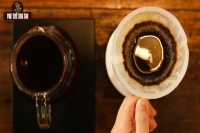
In the coffee brewing process, the practice of removing the filter cup while there's still liquid that hasn't fully permeated through is what we call "flow restriction." Since flow restriction removes the final portion of coffee liquid, and many coffee enthusiasts believe that bitterness comes from this final portion, this technique has become
2024-12-03 pour-over coffee flow restriction drip coffee coffee brewing coffee ratios -
What Aromas Do Coffee Beans Have and Why - The Source of Coffee Bean Aroma is a Complex Chemical Reaction
Professional coffee knowledge exchange. For more coffee bean information, please follow Coffee Workshop (WeChat official account cafe_style). FrontStreet Coffee - Introduction to Coffee Aroma Sources. Aroma, flavor, aftertaste, acidity, and body - these five attributes are all created by the collision of different compounds. At the cupping table, the tastes and aromas we analyze with our senses are also the result of chemical compounds. We first smell the dry aroma.
2020-02-20 coffee beans aromas why source complex chemical reaction professional coffee -
What Are the Fruity Aromas in Coffee and Why Does Coffee Smell So Good: Chemical Reactions During Roasting
Professional coffee knowledge exchange. For more coffee bean information, please follow Coffee Workshop (WeChat public account: cafe_style). FrontStreet Coffee - Brief Introduction to Coffee Flavor Sources. Aroma is an extremely important quality attribute in specialty coffee. Changes in aroma components include the dissipation of certain volatile compounds, but also the formation of others. Although the most appropriate and direct method to measure freshness is to examine...
2020-02-20 coffee fruity aromas fragrance chemical reactions roasting specialty coffee flavor compounds -
Steaming Coffee with a Purple Clay Pot?! Chinese-Style Extraction Has Made Another Breakthrough!
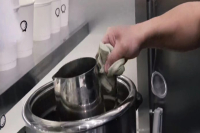
For more professional coffee knowledge exchange and coffee bean information, please follow Coffee Workshop (WeChat official account: cafe_style). For more specialty coffee beans, please add FrontStreet Coffee on private WeChat: qjcoffeex. Around this time last year, a coffee shop in Shanghai attracted attention by using a "water-sealed stewing" method to extract coffee...
2022-12-14 coffee extraction purple clay pot brewing methods coffee innovation Chinese-style brewing -
Pour-Over Coffee Essentials: The Three-Stage Pouring Method for Beginners

Regarding the question of "how to brew delicious coffee," many coffee enthusiasts know that with the appropriate grind size, suitable water temperature, proper coffee-to-water ratio, and stable water flow, your brew will generally turn out well. However, few people notice that the number of pouring stages can significantly alter the coffee's flavor profile. What exactly is the three-stage extraction method and how does it transform your coffee experience?
2021-11-17 pour-over coffee coffee brewing three-stage pour coffee extraction pour-over techniques coffee beginners -
Why Does My Brewed Coffee Taste Sour? Why Is Pour-Over Coffee So Acidic? What Causes Under-Extraction in Coffee?
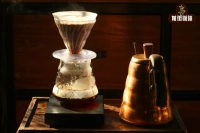
Recently, more and more friends who previously only drank dark roast coffee have started exploring light roast coffee with its acidic notes. As specialty coffee culture becomes more widespread, everyone wants to experience the elegant floral and fruity aromas from their coffee. However, unlike dark roast coffee, light roast coffee has a much higher chance of brewing failures, so people often encounter
2025-01-04 coffee acidity pour-over coffee under-extraction coffee brewing light roast coffee -
How to Appreciate Pour-Over Coffee? A Guide to Tasting Aroma, Flavor, and Mouthfeel

Usually, FrontStreet Coffee enjoys sharing popular pour-over single-origin coffees with customers during quiet moments. However, most visitors typically drink espresso-based beverages, so when offered a complimentary pour-over sample, they often feel curious. After watching others savor it with evident pleasure, they bravely take their first sip.
2024-01-20 pour-over coffee coffee tasting coffee appreciation aroma flavor mouthfeel specialty coffee
Editor's Pick Today
Most Read This week
Hot Tags
-
drip coffee
Blue Mountain Coffee
Specialty coffee beans
moka pot
Flat white coffee
Coffee Latte
iced drip coffee
ICE-DRIP
Water Drip Coffee
ice drip coffee
Dutch Coffee
Huakui coffee
Yunnan Coffee
hand ground coffee
ground coffee
Yirgacheffe
pour-over coffee
geisha coffee
coffee bean
Coffee website
You May Like
- Guatemala | Huehuetenango | Finca El Injertal Mixed Variety Washed
- How Many Classifications Are There for Gesha Coffee Beans? What Do the Different Grades Like Gold Label, Red Label, Green Label, and Blue Label Mean?
- Are Cold Brew and Cold Drip the Same Thing? Recommended Single-Origin Coffee Beans for Cold Brew
- How to make bubble ice American so that it will not spill over? Share 5 tips for making bubbly coffee! How to make cold extract sparkling coffee? Do I have to add espresso to bubbly coffee?
- luckin Coffee Calorie Ranking - Luckin New Product Review: Are the Green Grape Oat Latte and Thick Milk Latte Delicious?
- Natural Geisha Comparison: What's the Difference Between Panama Hacienda La Esmeralda's Natural Blue Label and Green Label?
- Washed Geisha vs Natural Geisha: Flavor Differences Between Panama Hacienda La Esmeralda's Washed and Natural Geisha
- Yirgacheffe Coffee Bean Grading Standards, Variety Characteristics, Flavor Description, Growing Regions, and Pour-Over Coffee Taste Profile